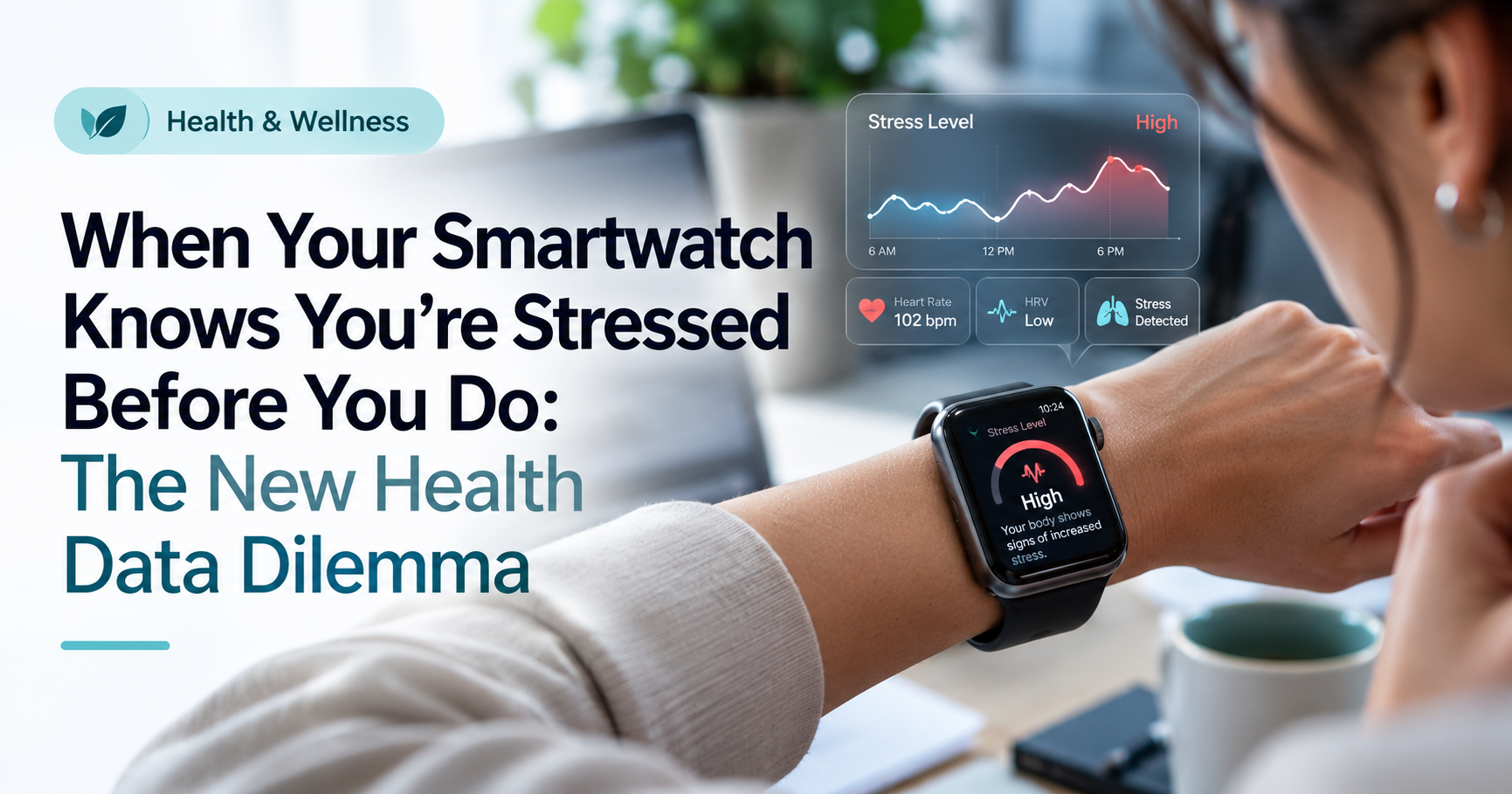
Smartwatches are becoming more sophisticated at monitoring physiological changes associated with stress. By tracking heart rate, sleep patterns, and other biological signals, wearable devices can identify potential signs of physical strain before users consciously recognize them.
This technology offers new opportunities for understanding personal health. However, continuous stress monitoring also raises concerns about accuracy, emotional well-being, and data privacy. A device designed to improve health awareness could unintentionally encourage excessive monitoring or expose sensitive personal information. Understanding how wearable stress detection works is essential for evaluating its benefits, limitations, and growing influence on everyday health decisions.
Can smartwatches detect signs of stress before a person notices physical symptoms?
Smartwatches can detect physiological changes associated with stress before users consciously recognize discomfort. However, these devices measure biological responses rather than directly identifying emotions.
When the body encounters physical or psychological stress, the autonomic nervous system responds by adjusting several physiological processes. Heart rate, breathing patterns, and sweat gland activity may change even when someone does not feel noticeably stressed.
Modern wearable devices can monitor some of these responses using integrated sensors.
Common measurements include:
- Heart rate: Stress-related physiological arousal can increase heart rate, although many other factors produce similar changes.
- Heart rate variability (HRV): Changes in the timing between heartbeats may provide information about autonomic nervous system activity.
- Electrodermal activity: Certain wearables measure changes in skin conductance associated with sweat gland activity.
- Skin temperature: Temperature variations may provide additional information about physiological conditions.
- Sleep patterns: Sleep duration and consistency can help identify changes that may accompany prolonged stress.
Artificial intelligence can analyze these measurements and compare them with a user’s established baseline.
For example, a smartwatch might detect an elevated heart rate and changes in HRV during a demanding workday. The device could generate a notification suggesting that the user take a break.
However, these changes do not necessarily indicate emotional stress.
Exercise, caffeine, dehydration, illness, medication, and environmental conditions can influence similar biological measurements.
A smartwatch may recognize unusual physiological activity before the wearer notices it, but it cannot reliably determine the exact cause without additional context.
How accurate are wearable devices at measuring emotional and physiological stress?
Wearable stress monitoring provides useful physiological information, but its accuracy varies depending on the device, measurement methods, algorithms, and individual characteristics.
Most consumer smartwatches do not measure stress directly. Instead, they estimate stress-related activity using biological signals and mathematical models.
Heart rate variability is frequently used because it reflects aspects of autonomic nervous system regulation. However, HRV changes can occur for reasons unrelated to psychological stress.
Electrodermal activity offers another measurement method. It detects changes in skin conductance associated with sympathetic nervous system activity.
Combining multiple signals may improve stress recognition compared with relying on one measurement.
A 2025 systematic review published in Computers in Biology and Medicine examined machine learning approaches to predicting stress using wearable sensor data. Researchers identified promising results but emphasized limitations involving small datasets, inconsistent testing methods, and real-world reliability.
Several factors affect measurement accuracy.
Sensor placement and movement
Loose device positioning, physical movement, and inconsistent skin contact can interfere with measurements.
Individual physiological differences
Age, fitness, health conditions, and medication use can influence normal biological responses.
Environmental conditions
Heat, physical activity, and sleep deprivation may produce measurements similar to those associated with psychological stress.
Algorithm limitations
Wearable manufacturers use different methods to calculate stress indicators. Results from separate devices may therefore be difficult to compare.
Limited emotional context
A smartwatch cannot determine whether an elevated heart rate reflects excitement, anxiety, physical exertion, or another cause based on heart rate alone.
Wearable stress scores should consequently be interpreted as estimates rather than medical diagnoses.
They may help identify patterns, but persistent symptoms or concerning health changes require appropriate professional assessment.
Could constant stress monitoring increase health anxiety among smartwatch users?
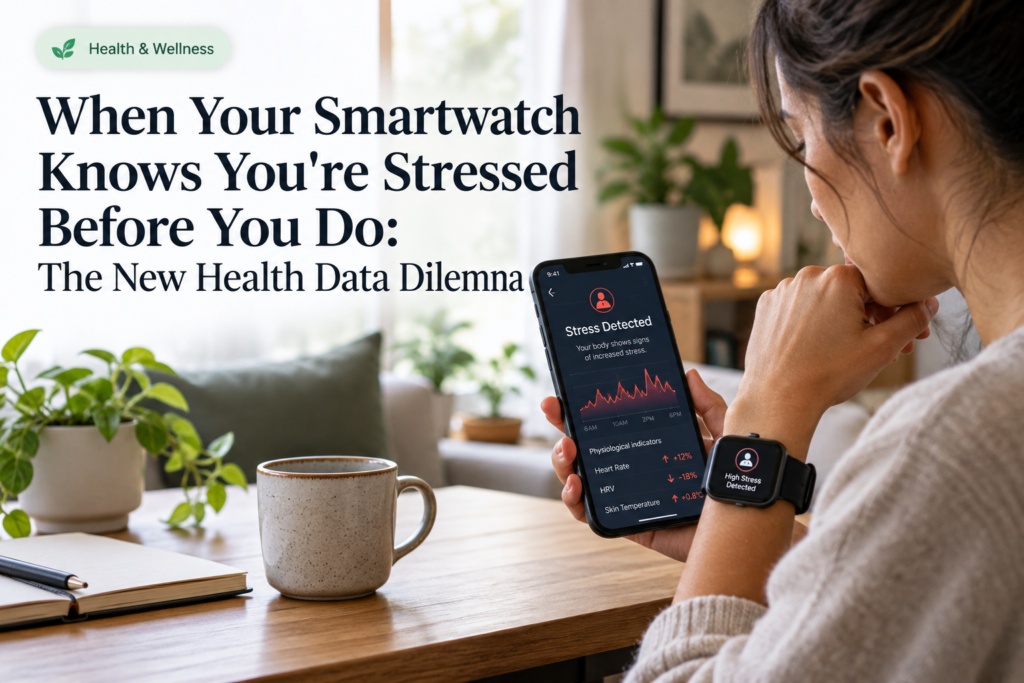
Constant stress monitoring could increase health anxiety when users become overly concerned about normal physiological fluctuations.
Wearable technology encourages regular engagement with personal health information. While this can improve awareness, frequent notifications may also create unnecessary worry.
A person who receives repeated high-stress alerts might begin interpreting ordinary bodily changes as evidence of an underlying health problem.
This becomes particularly concerning when users treat algorithm-generated scores as definitive assessments.
Several behaviors may contribute to monitoring-related anxiety:
- Repeated checking: Frequently reviewing stress scores can increase attention to minor physical sensations.
- Misinterpreting measurements: Normal biological variations may be mistaken for signs of illness.
- Overdependence on notifications: Users may rely on device alerts rather than considering how they actually feel.
- Performance pressure: Individuals may become frustrated when their stress scores remain elevated despite relaxation efforts.
- Disrupted routines: Persistent monitoring may interfere with concentration, sleep, or everyday activities.
The relationship between wearable monitoring and anxiety is complex. Some people find health information reassuring, while others may become more concerned about their physical condition.
Importantly, not every stressful physiological response is harmful.
Temporary increases in arousal are normal during exercise, challenging conversations, and demanding activities.
Wearable technology should help people recognize meaningful patterns without creating an expectation that every measurement must remain within an ideal range.
Users experiencing distress from repeated alerts may benefit from adjusting notification settings or reducing how frequently they review their measurements.
Who has access to the personal health data collected by wearable stress trackers?
Access to wearable health information depends on the device manufacturer, connected applications, privacy settings, and applicable data protection laws.
Smartwatches can collect detailed information about heart rate, sleep, physical activity, and physiological responses throughout the day.
Depending on the product, these records may be stored locally, synchronized with cloud services, or shared with connected applications.
Several parties may potentially access certain information:
- Device manufacturers: Companies may process health measurements to deliver monitoring features and maintain their services.
- Connected application providers: Third-party fitness and wellness applications may receive information when users authorize access.
- Cloud service providers: Data may be processed or stored through contracted infrastructure services.
- Healthcare professionals: Users may choose to share relevant measurements during medical consultations.
- Other authorized recipients: Information may be disclosed according to user permissions, contractual arrangements, and applicable laws.
Privacy protections vary considerably.
In the United States, information collected directly by consumer wellness applications is not automatically protected under the Health Insurance Portability and Accountability Act (HIPAA).
The Federal Trade Commission explains that many consumer health applications fall outside HIPAA while remaining subject to other privacy, consumer protection, and breach notification requirements.
This distinction makes privacy policies particularly important.
Before enabling stress monitoring or connecting additional applications, users should understand what information is collected, whether it is shared, how long it is retained, and how deletion requests are handled.
Security features such as account authentication, software updates, and restricted application permissions can also reduce unnecessary exposure.
Making Health Technology Work Without Losing Personal Control
Smartwatches can provide valuable insights into physiological patterns, potentially helping users recognize changes associated with stress, sleep disruption, and physical strain.
However, meaningful health awareness requires more than continuous data collection. Measurement limitations, personal interpretation, and privacy protection should remain central considerations.
Individuals using wearable stress trackers can benefit from reviewing device settings, understanding how stress estimates are calculated, and discussing persistent health concerns with qualified professionals.
The most useful smartwatch is not necessarily the one that collects the greatest amount of information. It is the one that helps users understand their health without creating unnecessary anxiety or compromising control over personal data.
Leave a Reply